Why Not Visit. . . The Orkney Islands
This throwback thursday throws way way back to the Neolithic, which precedes the bronze age. Most people probably have no idea what/where the the Orkney Islands are. Well I am about to drop some knowledge. The Orkney Islands are part of Scotland. They are located about 10 miles north of Scotland, and are comprised of 70 islands. I wound up in the Orkney Islands by chance in 2012. I was on a cruise with my boyfriend and his parents when a port was cancelled due to weather. As a replacement, the ship landed at the Orkney Islands instead. The crew justified the Orkney Islands as a good replacement as it was then the most highly rated port on cruise critic. At that time I had never heard of the Orkney Islands. Well cruise critic was right, the Orkney Islands are one of the best ports I have ever visited on a cruise.
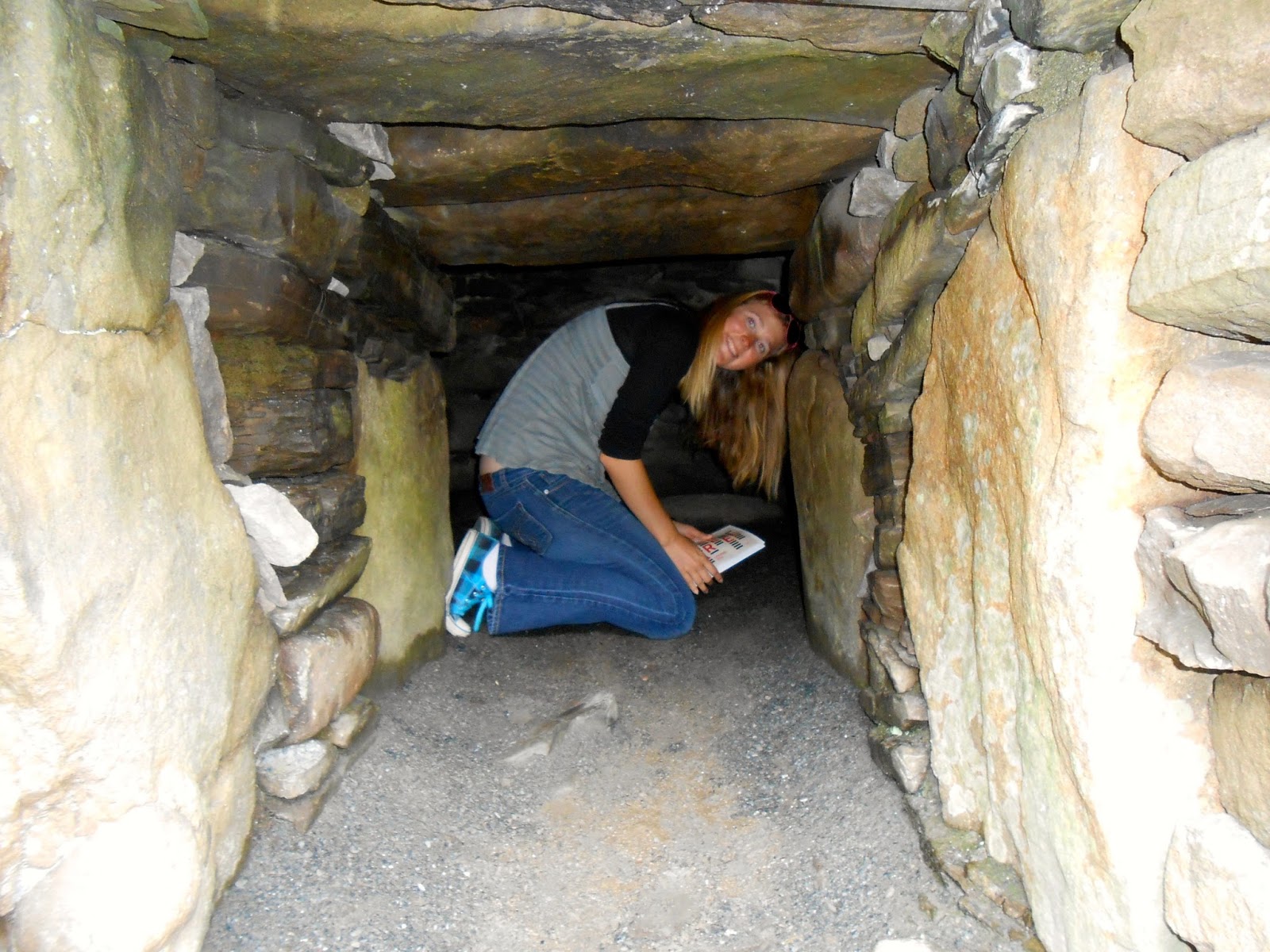
The Orkney Islands may not appeal to every traveler out there. They are cold and damp. There is not a lot of scenery or beautiful vistas. The shopping and taverns are limited. However for those who aspire to be Indiana Jones, the Orkney Islands host a treasure trove of archaeological wonders. We visited the largest of the islands, Mainland.
Skara Brae
On the west coast of Mainland is Europe's largest Neolithic ruins Skara Brae. An entire Neolithic (approx. 3180 BC-2500 BC) settlement consisting of 8 houses are exceptionally preserved as they were buried until the earlier part of the 19 th century when a storm uncovered them. You can still see fire places, shelves, and storage areas well preserved as you walk around the remains of this neolithic village. Not surprisingly, Skara Brae is on the list of UNESCO world heritage sites. The entrance to Skara Brae has a reconstructed Neolithic home that you can duck walk into (the ceilings are low) to see what the remains of the 8 homes once looked like when whole. The homes, now kissings their roofs, were covered with dome-like roofs, which were then covered with grass for insulation. The low ceilings in the entrances, which were long winding corridors kept out rain and and the cold outside air.